Treating the Root Cause of Obesity-Related Sleep Apnoea
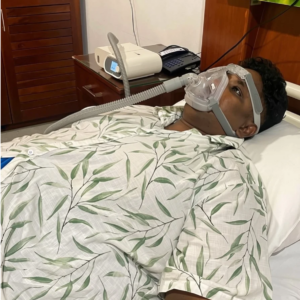
Obesity-associated obstructive sleep apnoea (OSA) and obesity hypoventilation syndrome (OHS) are important but frequently under-recognised complications of severe obesity. These conditions can significantly affect sleep quality, daytime energy and overall health, while untreated OSA and OHS can place considerable strain on the heart and lungs.
CPAP therapy is an effective treatment for OSA and can provide important protection while the underlying risk factors are addressed. However, for patients with obesity-related OSA, substantial and sustained weight loss can play a key role in treating the underlying cause and may significantly reduce the severity of sleep apnoea.
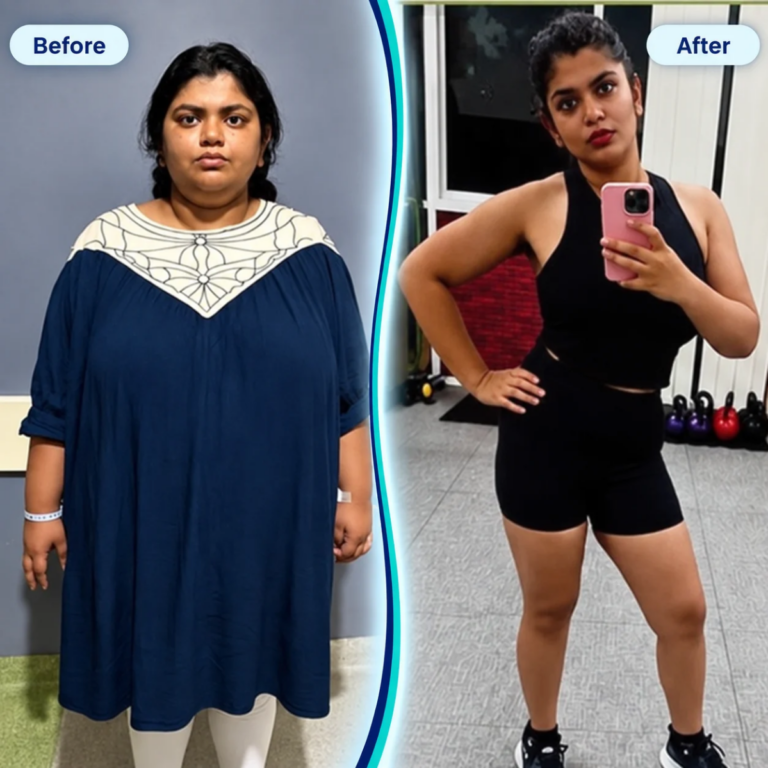
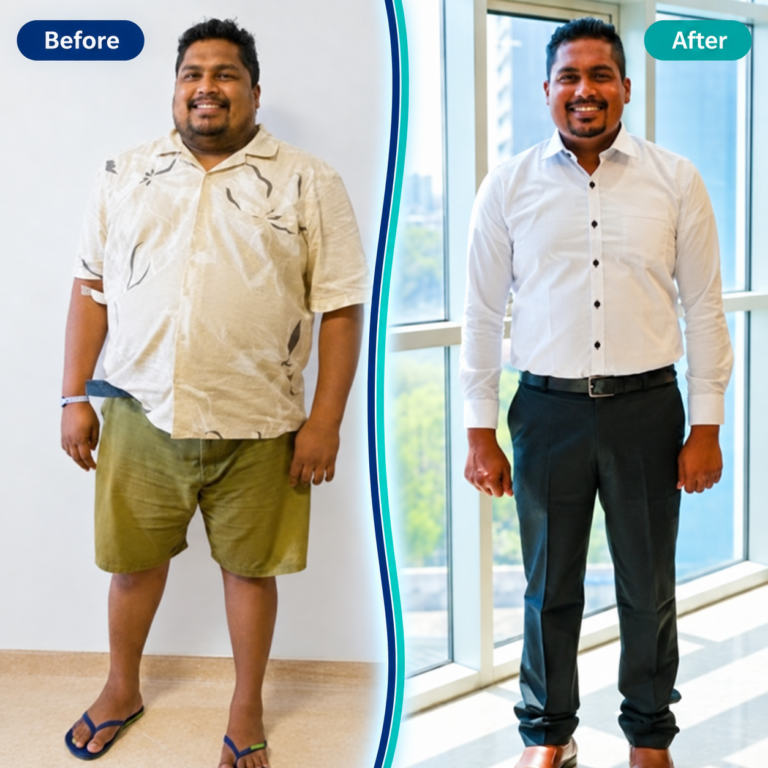
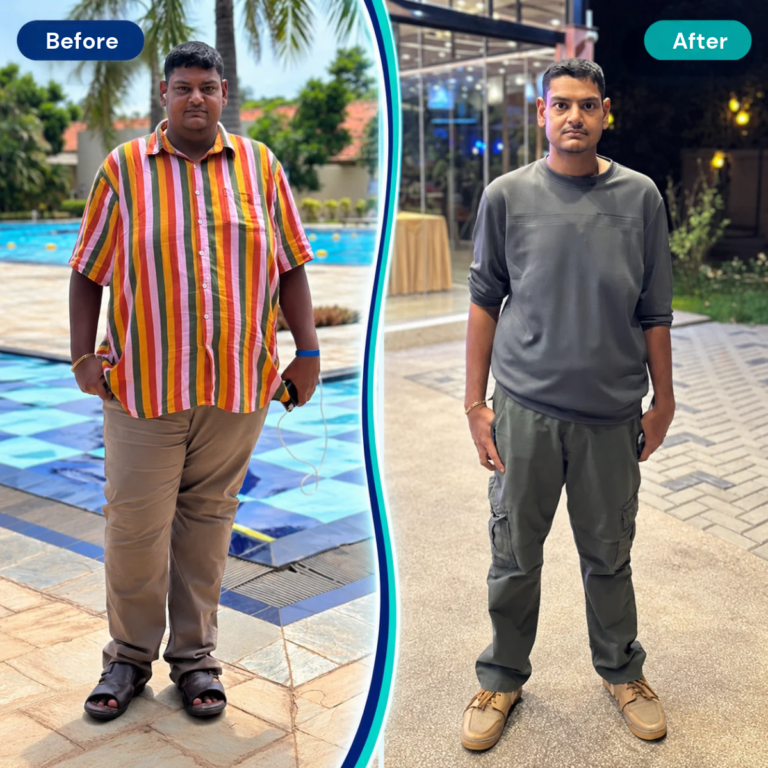
Bariatric surgery can achieve substantial weight loss and has been shown to improve or, in some patients, resolve obesity-related OSA and OHS. In our clinical experience, many of our patients who previously required CPAP have experienced marked improvement in their sleep apnoea following significant weight loss, with most being able to discontinue CPAP after 6 months of surgery.
Better sleep can be one of the first signs of a healthier future.
Self Assessment
Calculate Your BMI
Weight loss and health insights
Explore other important topics
Obesity and Female Subfertility
Extreme weight and transformation
Continue exploring
More information to guide your journey
Patient Journey
Know what to expect before, during and after surgery.
Frequently asked questions
Find clear answers about suitability, safety and recovery.
Media and publications
Explore interviews, medical insights and published features.