
Common Misconceptions about Bariatric Surgery
Fact: This statement is also having an element of truth in it. Most Morbidly obese patients especially if over BMI 50 will have narrowing of upper air passages and visibility issues in intubation during General Anesthesia posing a high risk of securing airway during the process of inducting and recovery from Anesthesia. Although this is the case in an average hospital set up ; established bariatric centers like ours are managed by Anesthetists well experienced with repeatedly anesthetizing and recovering high risk patients like you and are equipped with many advanced equipment to handle any kind of difficulty in accessing and maintaining airway. Post-surgery you are moved out of the theater after complete recovery and mandatorily looked after in a Surgical ICU by a staff who have been quite used to looking after hundreds of morbidly obese patients post Anesthesia.
Fact: This wrong impression about abdominal operations actually has got a reasonable basis. Open abdominal operations like Cessarian section or even open appendix operation or a Hernia operation sometimes can make one suffer for a several days especially if the patient is on the obese side. The issue of minimizing post surgery pain and discomfort is addressed in a big way in our bariatric surgery program with many actions taken to reduce pain even before the actual operation is done. All our surgeries are key hole and abdominal nerve blocks and various types of medications to block pain pathways becoming activated are done during surgery. If not for this the enhanced recovery protocol (ERAS) we follow where the patients are discharged as early as 24-36 hours post-surgery is not feasible. <br></br>If you speak to a patient who had surgery under our team they will testify to the fact that bed rest was allowed only for a few hours after surgery and after that it was a very “activity filled” time they had even in the ICU ; where you are mobilized out of bed 3-4 hours post op , encouraged to go to toiled, do the walks and breathing exercises and training on liquid diet all happening just a few hours post-surgery !!!! We discharge patients on a few simple pain killers but many even don’t take the full doses of that indicating the pain levels are minimal and there are several who have gone back to work the day after being discharged !!!
Concern: “I have severe snoring and have obstructive sleep apnoea – The clinicians who have seen me earlier have warned that undergoing general anesthesia will be very high risk for me”
Fact: This statement is also having an element of truth in it. Most Morbidly obese patients especially if over BMI 50 will have narrowing of upper air passages and visibility issues in intubation during General Anesthesia posing a high risk of securing airway during the process of inducting and recovery from Anesthesia. Although this is the case in an average hospital set up ; established bariatric centers like ours are managed by Anesthetists well experienced with repeatedly anesthetizing and recovering high risk patients like you and are equipped with many advanced equipment to handle any kind of difficulty in accessing and maintaining airway. Post-surgery you are moved out of the theater after complete recovery and mandatorily looked after in a Surgical ICU by a staff who have been quite used to looking after hundreds of morbidly obese patients post Anesthesia.
Misconception:“I Like food so much – Every time I went on a Diet program it failed because I went back to old eating habits “– Will the same thing happen when I have surgery ?
Fact:Above is a very common concern many patients who come to me had and the “fear of not being able to eat” keeps many from taking a positive step which is life changing for them. Many also think that we merely restrict the amount that can be eaten and the hunger remains the same and you are just starving being UNABLE to eat!!!! Rather than giving lengthy scientific explanations to all above fears ; I usually use a statement coined over years to simply answer this – “ Although we do an operation in the abdomen – the change of switch occurs in your Brain” In a nutshell that is actually what happens. Simply explaining the excess fat in the body together with the bad gastro-intestinal hormones generate many neuro-chemical changes in the gut and in certain control centers in brain to go on increasing the calorie intake to maintain and further increase the body fat cell mass. Bariatric operations which essentially involves making changes to passage of food in stomach and upper small bowel breaks this vicious cycle and reverses the effect in a drastic manner which can to a certain extent be mimicked by some of the new anti-obesity medications like Semigluteride(Ozempic). This together with the rapid transit time to food which occur with all new bariatric operations lead to a sustained rapid weight loss and control of diseases like diabetes very effectively. In short you don’t eat because you don’t become Hungry after these operations the way it happens now and you don’t limit food because you have to control or feeling guilty ; but because you become “full” with the little amount you eat.
Fact The energy and activity level increases during the liquid diet phase of many patients. The important thing is to have an adequate volume of fluid ie 2-2.5 Liters and the protein supplement together with the vitamins prescribed by the Nutritionist. If these simple instructions are followed properly all day-to-day activities and work can be done without feeling week or tired. Remember you have enough excess fat in the body that can be converted to Energy for a long long time!!!!
Research and recognition
Our work extends beyond clinical care.
The team contributes to bariatric research, specialist education, surgical workshops and professional discussions on the management of obesity.

Continue exploring
More information to guide your journey
Patient stories
Real care. Real people
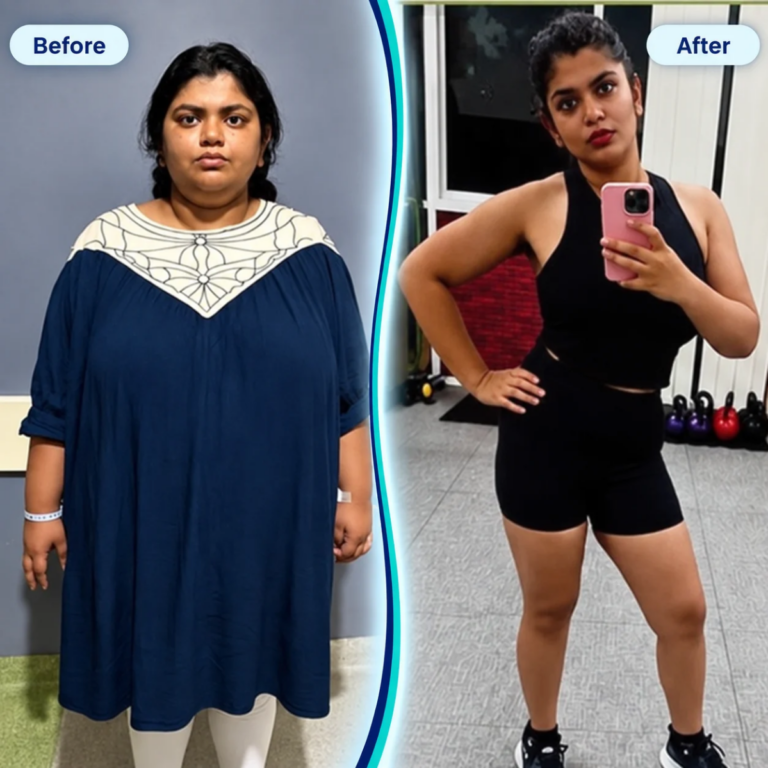
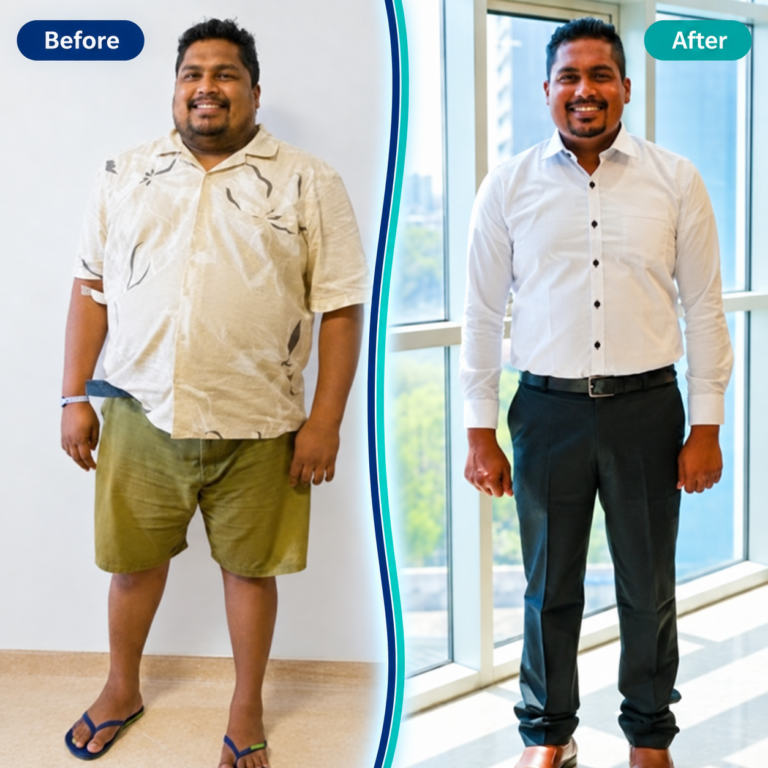
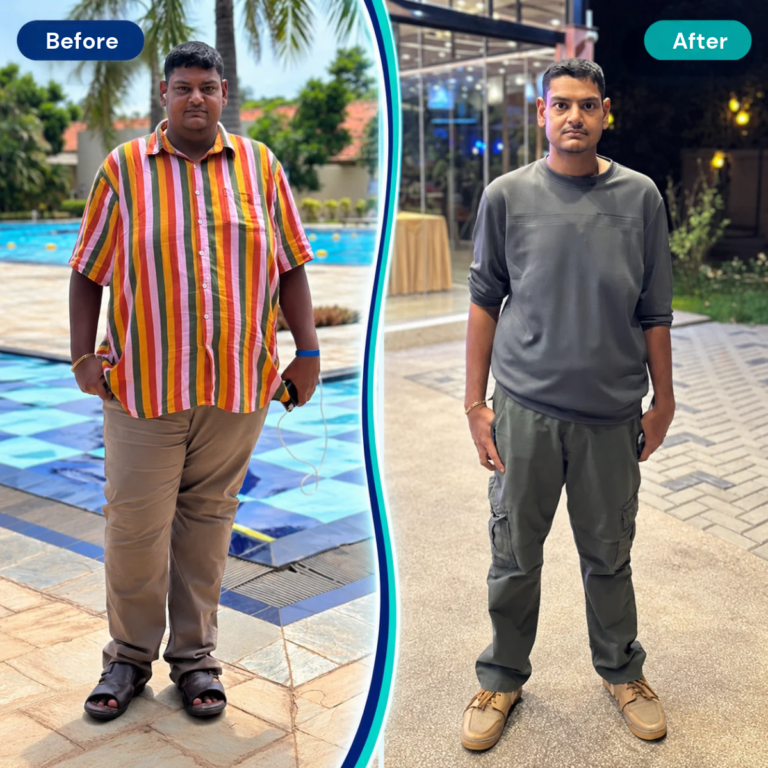
Take the first step
A year from now, you may be grateful you started today.
Your first step can be as simple as speaking with someone who understands.