

Before Surgery
Consultation, assesment and preperation
Hospital Stay
Surgery, monitoring and discharge
After Surgery
Recovery and patient care
Phase 1 - Before Surgery
A thorough assessment and preparation for a safer journey
Your first consultation
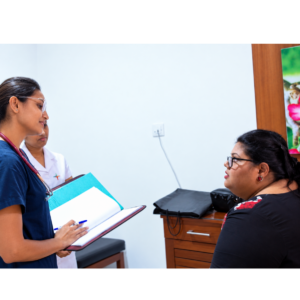
Meet Prof. Thejana Wijerathne to discuss your health, concerns and goals, and whether bariatric surgery may be suitable for you.
This is your opportunity to ask questions, understand your treatment options and learn what the journey may involve. If you are considered suitable and choose to proceed, you can then enter the bariatric care programme.
Bariatric Surgery may be considered for adults with:
• A BMI of 40 or above,
• A BMI between 35 and 39.9 with significant obesity-related health conditions
• A BMI between 30 and 34.9 with uncontrolled metabolic disease, in selected cases
Calculate Your BMI
Clinical assessment and specialist review
Once you enter the bariatric care programme, the team will carry out a complete assessment of your health.
This will include a review of:
• Your medical and surgical history
• Obesity-related health conditions
•
Your current medicines
•
Nutrition and eating patterns
•
Emotional and psychological well-being
•
Mobility and everyday physical function
•
Any pain that affects your movement or quality of life
• Your weight, height, BMI, waist measurement and blood pressure will also be recorded.
Your assessment may involve the bariatric surgeon, anaesthetist, endocrinologist, dietitian, cardiologist and other specialists when required.
Each specialist will assess and manage the areas relevant to their expertise and provide the clearances needed before surgery.

Investigations and upper GI endoscopy
We will carryout the investigations needed to understand your health and prepare you safely for surgery.
Investigations may include:
• Blood count
• Blood glucose and HbA1c
• Kidney and liver function
• Cholesterol and other blood fats
• Iron, vitamin B12 and folate
• Vitamin D and calcium
• Heart function through an ECG
Depending on your health and individual risks, the team may also recommend further assessments such as an echocardiogram, sleep study or lung-function testing.
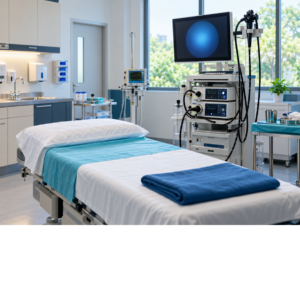
Prof. Thejana Wijerathne will also perform an upper GI endoscopy to examine the upper digestive system.
Once the results and specialist assessments have been reviewed, he will discuss the available procedures with you and help determine which treatment option is most suitable.
Preparing and confirming your surgery
Before surgery, the team will help optimise your health and reduce any identified risks.
Depending on your individual needs, this may include:
• Nutrition and weight-management guidance
• Reviewing your regular medicines
• Correcting vitamin or nutritional deficiencies
• Support with stopping smoking
• Advice about alcohol use
• Checking CPAP use if you have sleep apnoea
• Planning measures to reduce the risk of blood clots
Once the required assessments and preparations are complete, your surgery date, admission and other practical arrangements will be confirmed.

Phase 2 - Hospital Stay
Surgery, recovery and expert care
Admission to hospital
You will usually be admitted either the day before surgery or on the morning of your procedure.
The team will review your medicines, confirm your care plan and complete the final checks required before surgery.
Surgery
Your procedure will be performed by our experienced bariatric surgical team
Postoperative monitoring
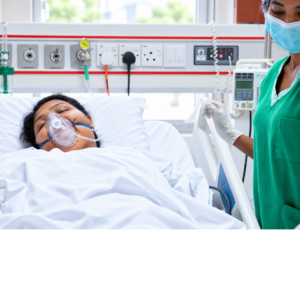
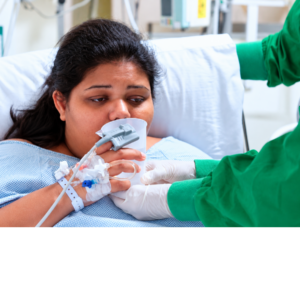
After surgery, you will receive close monitoring in the intensive care or high-dependency setting.
This is usually for approximately six hours, depending on your condition and care plan.
During this time, the team will monitor your breathing, pain, hydration and recovery, while watching closely for any complications.
You will also be supported with breathing exercises, pressure-injury prevention and early movement when it is safe.
Moving to your ward
Oral liquids and gentle movement usually begin during the first several hours after surgery when your clinical team considers it safe.
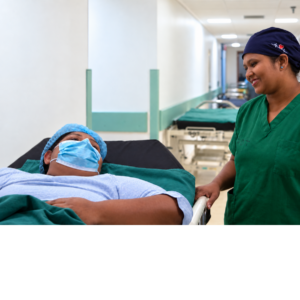
Once you are recovering well, you will be transferred to your ward room. Your progress will continue to be reviewed by the multidisciplinary care team.
Dietary guidance
The consultant nutritionist will explain what and how to drink and eat during the first two weeks after surgery.
Discharge from hospital
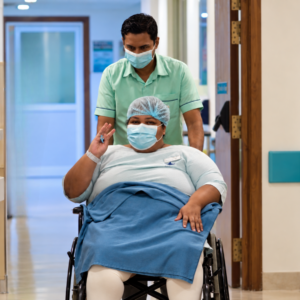
Many patients can leave hospital approximately 24 hours after surgery, once the clinical team is satisfied that it is safe.
Before going home, you will receive guidance on:
• Diet and fluid intake
• Movement and activity
• Wound care
• Pain relief and medicines
• Warning signs to look out for
• When and how to contact the care team
Your medicines will be reviewed, and your follow-up appointments and emergency contact information will be provided before discharge.
Phase 3 - After Surgery
Surgery, recovery and expert care
Follow-up schedule
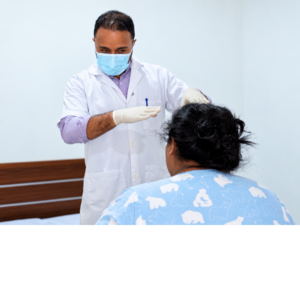
Your first postoperative review will usually take place approximately two weeks after surgery with your surgeon, nutritionist and endocrinologist.
Take the first step
A year from now, you may be grateful you started today.
Your first step can be as simple as speaking with someone who understands.